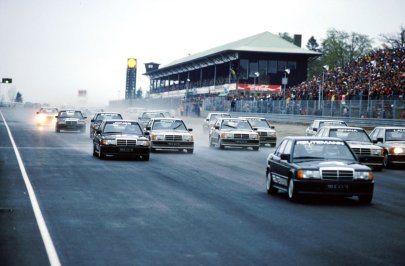
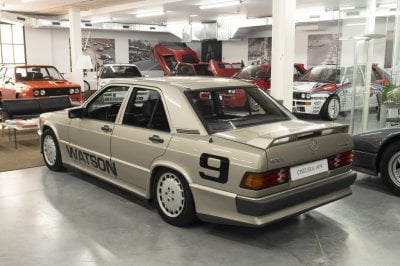
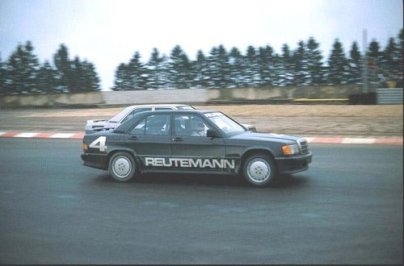
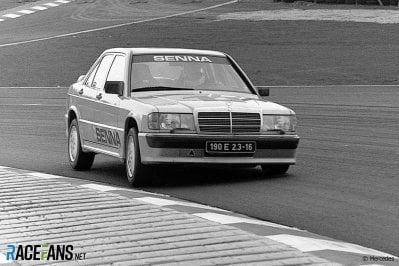
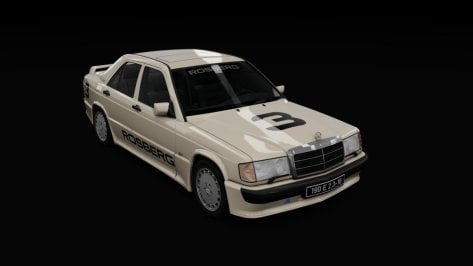
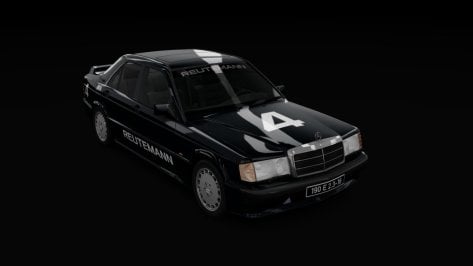
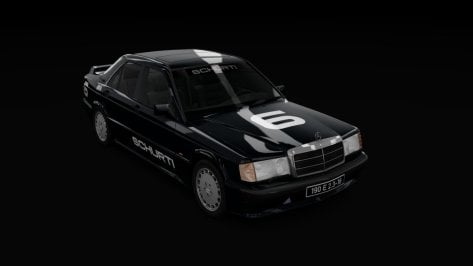
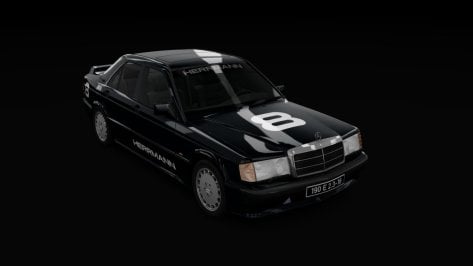
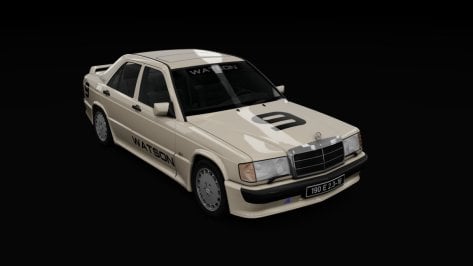
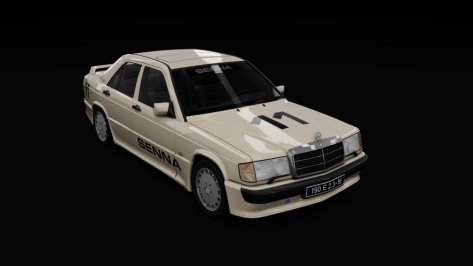
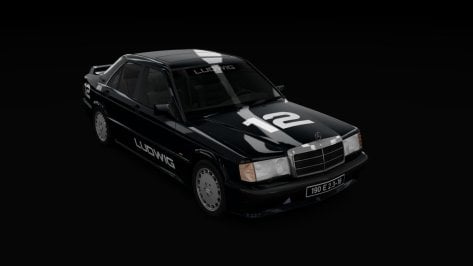
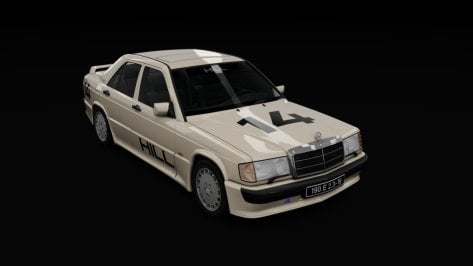
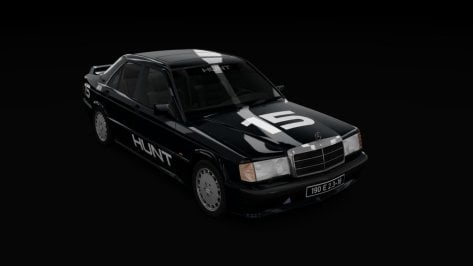
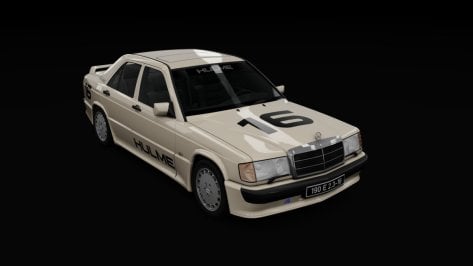
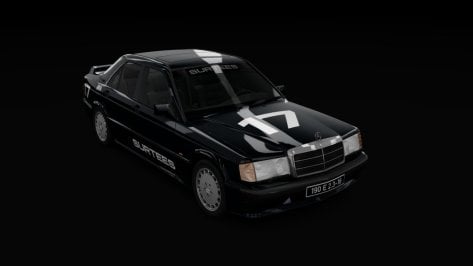
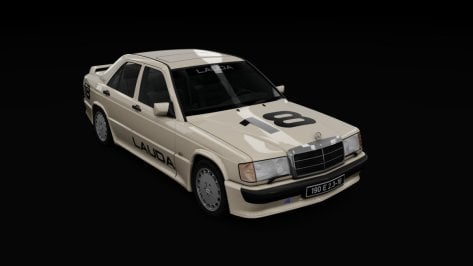
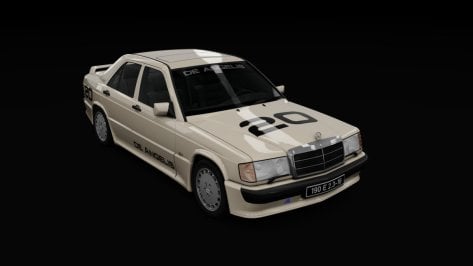
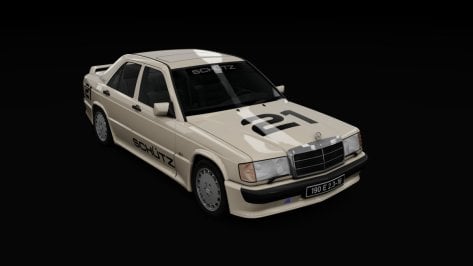
The winning car was sent to the
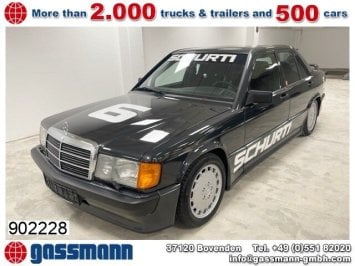
Mercedes-Benz Museum and has remained there since. Lauda's car was sold in race specification and is currently owned by a Swiss collector. The remaining vehicles were reverted to factory specifications and sold as road cars; only Senna's and Lauda's cars have been proven to be in their original race specification today. Senna was awarded a brand new example in
Blauschwarzmetallic as a prize for winning the race.
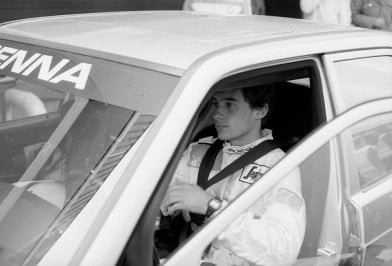
The drivers were impressed by Senna's performance. Surtees reportedly urged his former boss
Enzo Ferrari, with whom he'd enjoyed a close friendship during his time as a Ferrari driver, to hire him;
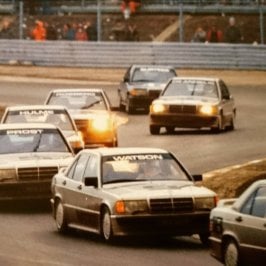
[4] Watson, who had followed him closely throughout the race, praised his attacking nature and commitment, especially through the chicane.
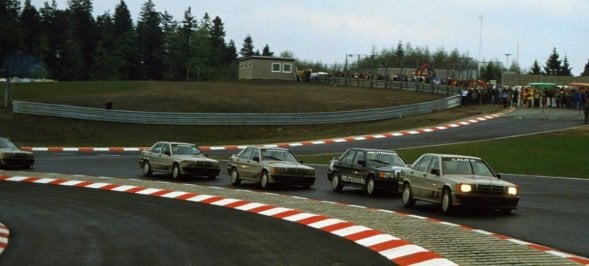
[10] Modern accounts present the race as Senna's first demonstration that he could take on, and beat, drivers at any level. However, not every competitor approached the event with the same commitment, and other drivers' performances in the race are often overlooked. To these articles' defence, the official broadcast's heavy focus on the lead pack made it difficult to follow any other developments; this was possibly done to avoid showing less-serious drivers cutting corners in the infield section. Regardless, sources agree that Senna was highly focused throughout the weekend, was determined to prove his worth as a top-level racing driver, and that he left a lasting impression on his competitors.
Senna backed up this performance with a drive to second place in torrential rain in the
Monaco Grand Prix three weeks later, another race seen as marking his arrival on the world stage. He raced again at the GP-Strecke on 15 July in his only sportscar race, the
1984 Nürburgring 1000 km. However, F1's return to the Nürburgring that October for the
European Grand Prix did not go so well for him: he got a good launch but caused a crash in the first corner. Prost won the race and Lauda put in another strong recovery drive.
The 190 E went on to achieve great success in the
DTM, with a race-winning span from
1986 to
1993 that included the
1991 and
1992 constructors' titles for Mercedes-Benz and the 1992 drivers' title for
Klaus Ludwig.
Some drivers wanted to keep the car after the race, so they drove extra carefully and slowly to protect the engine and car.